The Allure of the Game
The thrill of gambling attracts millions of people worldwide, making casinos a popular destination despite the inherent risks involved. The excitement of placing a bet creates an adrenaline rush that many find intoxicating. This rush is similar to other high-stakes activities, where the potential for significant rewards can overshadow the possibility of loss. For many, the allure lies in the chance to beat the odds and walk away with a sizable win, reinforcing the cycle of participation. Players often explore online casino options, as the combination of anticipation and the unexpected nature of outcomes fuels an irresistible urge for many individuals, drawing them back time and again.
Furthermore, casinos are designed to create an immersive environment that captivates visitors. The bright lights, engaging sounds, and opulent settings contribute to a vibrant atmosphere that feels alive and energizing. Anyone entering these venues often finds themselves engulfed in a world that encourages risk-taking. In this way, the sensory experience is just as important as the gambling itself; it provides a temporary escape from the everyday routine. The ambiance of the casino is meticulously crafted to keep players engaged and eager to experience more, making it a unique entertainment hub.
Additionally, social interaction plays a significant role in the appeal of casinos. They offer a unique space for individuals to gather, socialize, and share experiences. The communal aspect of gaming, whether it’s cheering for a friend at the poker table or celebrating a big win together, fosters a sense of camaraderie that many find appealing. This social dimension can make even the potential loss feel less significant and more bearable, reinforcing their desire to return. For many, the connections formed in these spaces create lasting memories, adding to the overall allure of the casino experience.
Understanding the Risks
While the fun and excitement of casinos are undeniable, the risks associated with gambling are substantial. Many individuals find themselves caught in a cycle of chasing losses, which can lead to severe financial consequences. The thrill of potential rewards may entice players to wager more than they can afford, with the hope that this time, luck will be on their side. Unfortunately, this often results in significant financial strain and emotional distress. As people become more invested in their gambling activities, they may overlook the warning signs of developing problematic behaviors, which can escalate into severe issues.
Moreover, problem gambling is a real issue that affects a substantial portion of the population. The National Council on Problem Gambling estimates that 1 in 5 gamblers will develop a gambling addiction at some point. This addiction can lead to a myriad of issues, including personal, financial, and legal troubles. Awareness of these risks is crucial for anyone considering entering a casino; however, the immediate thrill often overshadows long-term consequences. The need for awareness and education around responsible gambling practices is more critical than ever as the popularity of casinos continues to grow.

Despite understanding these risks, many still choose to gamble due to the human tendency to underestimate them. Cognitive biases can play a significant role in this phenomenon, leading individuals to ignore the statistical realities of gambling. The allure of winning often tricks players into believing that they have a greater chance of success than they do, enabling a cycle that can be hard to break. This combination of excitement, social interaction, and cognitive biases ensures that casinos continue to thrive, even in the face of potential harm.
The Role of Strategy and Skill
One reason people flock to casinos is the perception that skill and strategy can influence outcomes in certain games. In games like poker, blackjack, or even sports betting, players believe that their knowledge and tactics can provide them with an edge. This belief can be empowering and adds an intellectual component to the experience, transforming gambling from mere chance to a competition of wits. When players feel they have the upper hand, they are more likely to engage with the game, finding satisfaction in their ability to make decisions that could lead to success.
Furthermore, the idea of mastering a skill-based game can be incredibly appealing. Players may invest time and effort into learning strategies, watching tutorials, and practicing to improve their chances of winning. This pursuit of mastery can create a sense of achievement, making the casino experience more fulfilling. Even when faced with losses, the journey of becoming a better player can overshadow financial expectations, keeping them engaged with the casino environment. This drive for improvement can lead to a deeper investment in the gaming experience, fostering a sense of community among players who share similar interests.
However, this pursuit of skill also comes with its own set of challenges. Many find themselves drawn into the belief that they can continuously outsmart the house, which is not always possible. This misconception can lead to frustration and increased gambling as players try to overcome their losses. Understanding the balance between strategy and luck is crucial, yet many players find it hard to resist the temptation to keep playing, hoping that their skill will eventually pay off. The fine line between confidence in one’s abilities and overconfidence can often lead to detrimental outcomes.
The Escape from Reality
For many individuals, casinos offer a much-needed escape from the pressures of daily life. The stress and demands of work, family, and personal responsibilities can weigh heavily on a person’s mind. In contrast, stepping into a casino creates a temporary break from reality. The vibrant environment allows people to immerse themselves in an alternate world where their worries seem to fade away amid the excitement and energy of the gaming floor. This transformation can be a powerful draw for those seeking respite from their daily routines.
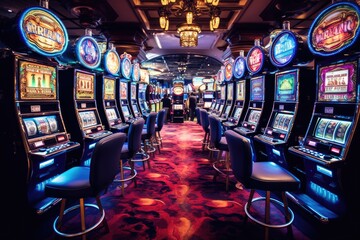
This escapism is further enhanced by the entertainment options casinos provide beyond gambling. Many venues feature live shows, fine dining, and luxury accommodations, creating an all-inclusive experience that captivates guests. As people indulge in these various offerings, they feel a sense of indulgence that may be absent in their everyday lives. This allows them to temporarily let go of their inhibitions and enjoy life in a vibrant setting. The combination of gambling with other forms of entertainment creates an enticing package, making casinos a go-to destination for many seeking fun and relaxation.
However, relying on casinos for escape can be problematic. While it is natural for individuals to seek ways to alleviate stress, using gambling as a coping mechanism can lead to further complications. The temporary highs may quickly give way to lows, particularly for those who experience losses. Finding healthier ways to cope with life’s challenges is essential, though the magnetic pull of a casino’s exhilarating atmosphere often makes it difficult to resist the allure. The cycle of escapism can create a dependency that may ultimately lead individuals to their downfall.
Why Understanding the Casino Phenomenon Matters
Understanding why people flock to casinos despite the risks is crucial for several reasons. For individuals contemplating their gambling habits, recognizing the factors that drive them to casinos can lead to informed decisions. It becomes essential to strike a balance between enjoying the thrill of gambling and being aware of its potential dangers. This understanding can encourage responsible gaming and promote healthier habits among players. Education about the risks and benefits can empower individuals to make choices that align with their values and goals.
Moreover, this knowledge is vital for the casinos themselves, as they aim to create a safe and enjoyable environment for their patrons. Responsible gaming initiatives, educational campaigns, and support systems for those facing gambling addiction can significantly impact how the industry operates. By acknowledging the risks associated with gambling, casinos can take proactive steps to ensure that their patrons have access to resources that promote a healthy gaming experience. This not only enhances public perceptions of the industry but also fosters a more responsible gaming culture.
Lastly, the conversation surrounding gambling culture is essential within society. By fostering open discussions about the enjoyment and risks of gambling, communities can work together to create supportive networks for individuals who may be struggling. Understanding the complexities of this phenomenon not only empowers individuals but also contributes to a healthier gaming culture overall. Engaging in constructive dialogue can lead to better resources and support for those affected by gambling-related issues, ultimately benefiting society as a whole.